

Chronic, low-grade inflammation activates enzymes called matrix metalloproteinases (MMPs), which break down collagen and elastin, the proteins responsible for skin structure, firmness, and resilience. Over time, this contributes to fine lines, loss of firmness, and uneven texture.
Anti-inflammatory foods support your skin’s natural repair processes and help protect collagen. Eating foods like fatty fish and leafy greens is a simple way to maintain your results from medical spa treatments and professional skincare, as well as to support skin elasticity during weight loss.
1. Fatty Fish: Omega-3s for Skin Protection
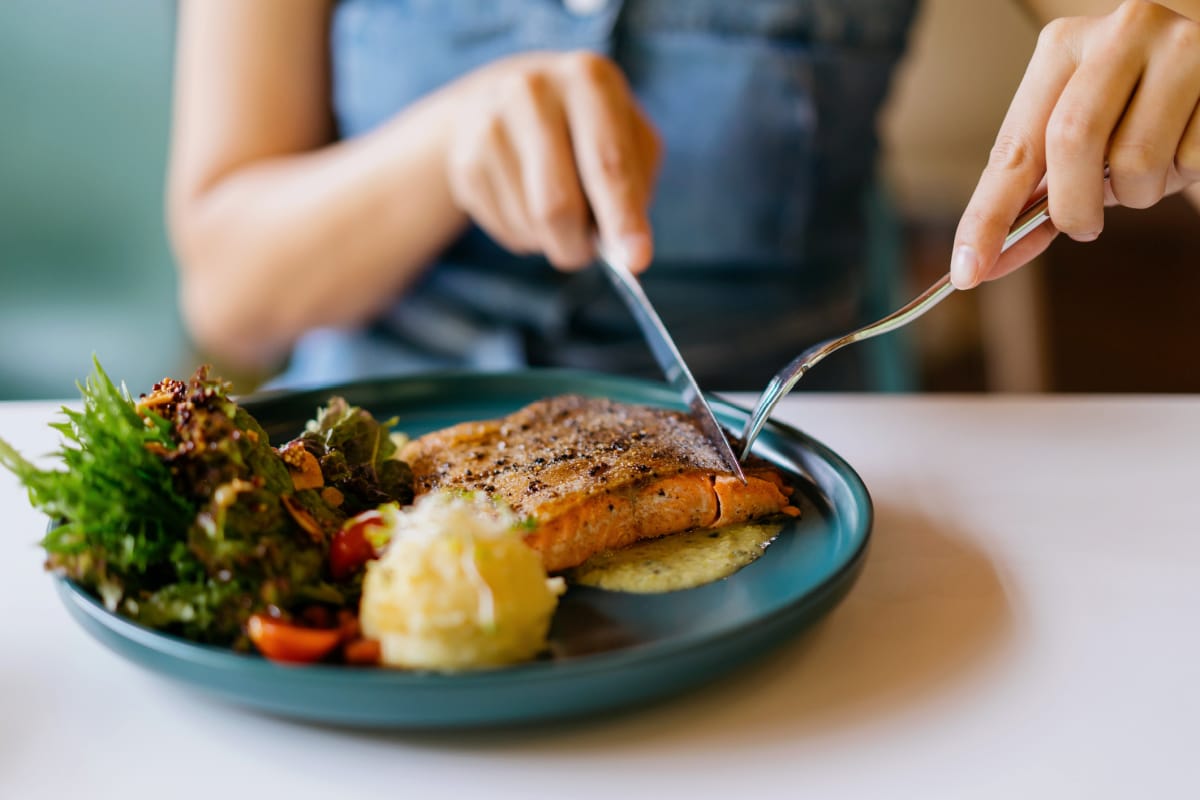
Wild-caught salmon, mackerel, sardines, and herring are rich in omega-3 fatty acids (EPA and DHA), which help strengthen the skin barrier, reduce inflammation, and support moisture retention. Salmon also contains astaxanthin, a potent antioxidant that may support skin elasticity over time.
How to enjoy it: Aim for two servings of fatty fish per week. Grilled salmon with vegetables makes an excellent dinner, or add sardines to salads for a nutrient boost.
2. Berries: Antioxidants for Collagen Support
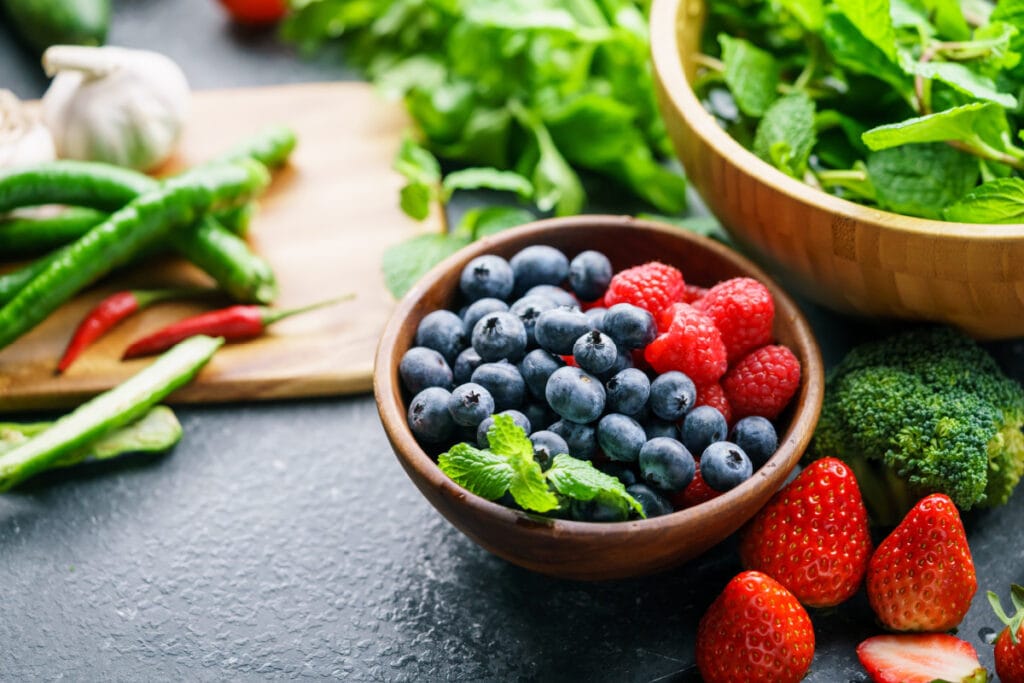
Blueberries, strawberries, raspberries, and blackberries contain anthocyanins—plant pigments that protect cells from oxidative damage and may help inhibit the enzymes that degrade collagen. Berries are also excellent sources of vitamin C, which is essential for collagen synthesis. In fact, strawberries contain more vitamin C per serving than oranges.
How to enjoy them: Add a handful of mixed berries to morning yogurt or oatmeal. Frozen berries retain their nutritional value and can flavor your smoothies year-round.
3. Leafy Greens: Vitamins for Collagen Production
Spinach, kale, and Swiss chard are rich in vitamins C, A, and K. Vitamin C is a crucial cofactor in collagen production—your body cannot synthesize collagen without it, while Vitamin A supports cell turnover and tissue repair.
How to enjoy them: Build salads around mixed greens, add spinach to smoothies, or sauté Swiss chard as a side dish.
4. Turmeric: Traditional Remedy with Research to Back It
Turmeric contains curcumin, a compound studied extensively for its anti-inflammatory and antioxidant properties. Research suggests curcumin may support collagen production and enhance fibroblast migration, the process by which skin cells move to heal wounds (which is especially key after “controlled injury” treatments like laser resurfacing or RF microneedling).
How to enjoy it: Add turmeric to soups, stews, or rice dishes. Golden milk—a warm beverage made with turmeric, milk, and black pepper—is a soothing option.
5. Extra Virgin Olive Oil: Healthy Fats with Protective Polyphenols
Extra virgin olive oil (EVOO) contains more than 20 types of polyphenols, including oleocanthal—which has been compared to ibuprofen in its anti-inflammatory action—and hydroxytyrosol, one of the most potent natural antioxidants. Research suggests these compounds may help reduce inflammation in skin cells and support healing processes.
How to enjoy it: Use EVOO as a finishing oil on salads and vegetables. To preserve beneficial compounds, avoid high-heat cooking. One to two tablespoons per day provides meaningful benefits.
Avoid Foods That May Promote Inflammation
Excessive sugar and refined carbohydrates promote glycation, a process that makes collagen fibers stiff and brittle. Highly processed foods, fried foods, and those high in trans fats may also contribute to inflammatory responses.
Our team of physician-supervised specialists can recommend a treatment plan and medical-grade skincare routine tailored to your skin’s needs. Call (817) 292-4200 to schedule a consultation.
References
Khoo HE, Azlan A, Tang ST, Lim SM. Anthocyanidins and anthocyanins: colored pigments as food, pharmaceutical ingredients, and the potential health benefits. Food Nutr Res. 2017 Aug 13;61(1):1361779. doi: 10.1080/16546628.2017.1361779. PMID: 28970777; PMCID: PMC5613902.
González-Rodríguez M, Ait Edjoudi D, Cordero-Barreal A, Farrag M, Varela-García M, Torrijos-Pulpón C, Ruiz-Fernández C, Capuozzo M, Ottaiano A, Lago F, Pino J, Farrag Y, Gualillo O. Oleocanthal, an Antioxidant Phenolic Compound in Extra Virgin Olive Oil (EVOO): A Comprehensive Systematic Review of Its Potential in Inflammation and Cancer. Antioxidants (Basel). 2023 Dec 14;12(12):2112. doi: 10.3390/antiox12122112. PMID: 38136231; PMCID: PMC10741130.
Kim CS, Park S, Kim J. The role of glycation in the pathogenesis of aging and its prevention through herbal products and physical exercise. J Exerc Nutrition Biochem. 2017 Sep 30;21(3):55-61. doi: 10.20463/jenb.2017.0027. PMID: 29036767; PMCID: PMC5643203.
